Application capture
Vehicle coverage, axle position, OE references, and replacement use case are collected before a sourcing answer is treated as complete.
This page translates sustainability into the disciplines that automotive parts buyers can actually verify: durable design, controlled revisions, responsible documentation, and fewer catalog mistakes across the service life of a vehicle program.
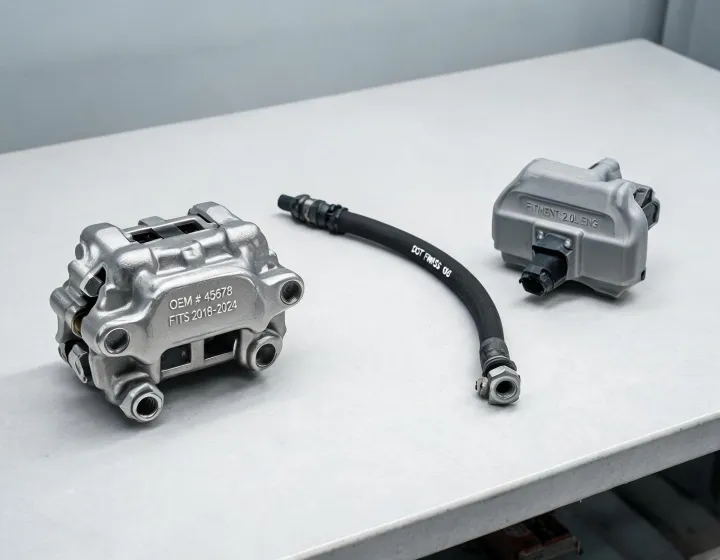
Vehicle coverage, axle position, OE references, and replacement use case are collected before a sourcing answer is treated as complete.
Material, thermal, fatigue, and sealing considerations are reviewed for suspension and steering parts that operate under repeated road loads.
Engineering change records and controlled documentation reduce confusion when a part number supersedes, a fitting note changes, or a channel updates its catalog.
Repair networks, fleets, and distributors receive a clearer route to warranty notes, stocking adjustments, and future application updates.
Tolerances held to OE drawings with in-house metrology give buyers a stronger basis for replacement confidence than a broad compatibility claim.
Material, thermal and fatigue testing validates suspension and steering durability across the kinds of loads that matter in service work.
Engineering change control with full revision traceability helps a catalog operator or sourcing team understand why an application note changed.
For Bilstein, responsible operation in a parts program begins with preventing the wrong component from entering the wrong workflow. A misidentified strut, shock absorber, or steering part can waste packaging, shipping time, technician labor, and warranty energy before anyone starts discussing formal environmental metrics. Fitment accuracy is therefore part of a practical sustainability story, because correct application data reduces avoidable returns and keeps replacement decisions closer to the vehicle's actual service requirement.
This roadmap also avoids unverified claims. It does not promise a universal emissions result or a vague green identity. Instead, it highlights catalog discipline, durable component validation, revision control, and supplier qualification conversations that professional buyers can request and review. Those are concrete operating behaviors for a B2B audience that needs evidence before adopting a parts line or expanding an assortment across multiple branches.
Tell Bilstein whether your priority is application accuracy, durability validation, supplier qualification, or catalog update planning.
Request Roadmap Support