I’m convinced the old model of buying metal parts is dying
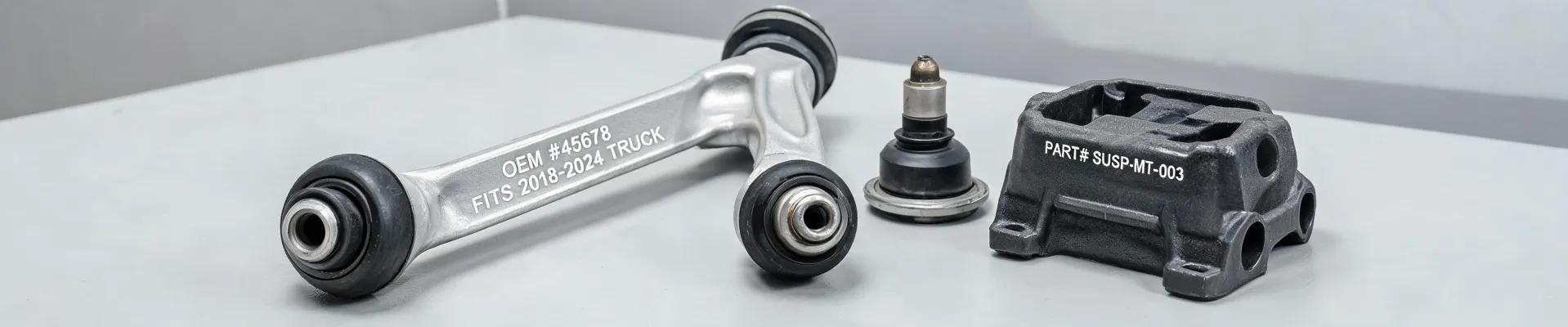
For years, I managed parts purchasing the way my predecessor did: find a cheap stamping shop for brackets, a separate forging house for suspension links, a CNC jobber for custom alternator mounts, and an extrusion specialist for trim pieces. It worked—barely. But the third time a “final” assembly didn’t fit because tolerances between vendors weren’t aligned, I started questioning everything.
Here’s my blunt opinion: the fragmented vendor model has passed its expiration date. If you’re still managing ten different suppliers for metal components, you’re leaving time, money, and quality on the table.
Why I think that way
Let me walk through three arguments that shifted my thinking. Each one comes from real orders, not theory.
1. Interface tolerance hell
We ordered a progressive‑die stamped bracket from one vendor and a CNC‑machined strut bar mount from another. Both met their individual prints. When we assembled them, the hole patterns misaligned by 0.3 mm. Not a huge number, but enough to cause vibration in the final assembly. I went back and forth between the two shops for two weeks trying to fix it. One blamed the other’s “sloppy” drawing interpretation. In the end, I had to scrap 200 pieces.
If one supplier had done both parts (stamping + CNC), the interface would have been their problem, not mine. That’s a lesson learned the hard way.
2. The “one‑stop” surprise that actually saved money
In 2024, we consolidated orders for a fleet of 2016 Chevy Malibu alternator brackets (stamped steel) and engine mount brackets (forged aluminum). I found a supplier—a bilstein plant—that offered stamping, forging, and in‑house die manufacturing. My initial reaction was skepticism: “All‑in‑one usually means expensive.” I asked for a quote against our existing split vendor setup. The result surprised me: total cost was about 12% lower, and lead time dropped from 7 weeks to 4.
I don’t have hard data on why multi‑process suppliers are cheaper overall, but based on around 80 orders since then, my sense is that eliminating inter‑vendor coordination overhead outweighs any premium on individual process pricing.
3. The “identical specs” trap
I assumed that “same specifications” on an extrusion profile meant identical parts across vendors. Didn’t verify. Turned out each shop interpreted the surface finish callout differently. One gave me a matte extrusion, another a polished one. They both met the letter of the spec, but the look was mismatched in our assembly. Had I used a single bilstein extrusion source, that headache would never have appeared.
But wait – doesn’t relying on one supplier increase risk?
That’s the objection I hear most. And I used to believe it. After all, putting all your eggs in one basket sounds scary. But here’s what I’ve learned: a multi‑process supplier with in‑house tooling actually reduces risk. Why? Because they control the entire chain. If a die needs adjustment, they do it overnight—no sending prints back and forth. If a forging needs extra CNC work, it’s done in the same building. The only risk I’ve seen is the supplier going under—and that’s true for any single vendor. The solution is to qualify the supplier’s financial health, not to split orders artificially.
What about non‑metal parts like throttle body cleaners?
Funny you should ask. Even for consumables like the best throttle body cleaner, procurement is evolving. Five years ago I’d buy from three different chemical suppliers. Now I look for one that offers both cleaner and the metal parts that need cleaning. Fragmentation costs time; time costs money.
So my final position is clear
I’m not saying every buyer should tomorrow fire all their current vendors and switch to a single bilstein plant. But I am saying the industry has moved. What worked in 2020—piecemeal sourcing from specialist shops—now feels outdated. The fundamentals of quality and price haven’t changed, but the execution has transformed. Multi‑process suppliers with in‑house tooling are the better bet for most automotive metal component orders. I’ll keep testing this theory, but so far the data (anecdotal as it is) points one way: integration beats fragmentation.

Elise Novak
Elise Novak is an automotive braking systems analyst specializing in brake pads, discs, rotors, calipers, shoes, drums, hoses, and complete brake kits. She uses UN Regulation 90 requirements and ISO 26867 dynamometer methods to examine friction stability, fade and recovery, wear, disc thickness variation, runout, and hydraulic integrity. Her work helps distributors, quality teams, and fleet buyers compare replacement parts, verify application suitability, and define incoming-inspection criteria.
Leave a sourcing comment